
Table of Contents
- Why Trust Our Curated List of Top Rated Children's Books 2026
- Quick Look: The Best Children's Books of 2026
- 1. The Wishing Well: A Lyrical Picture Book for Imagination
- 2. Puffins!: A Fact-Filled Adventure for Curious Minds
- 3. Is It Spring?: A Seasonal Read-Aloud for Toddlers
- 4. Rumpelstiltskin: A Classic Retelling for Early Readers
- 5. All the Blues in the Sky: A Poetic Award Winner
- 6. The Teacher of Nomad Land: A Story of Community and Learning
- How to Choose Books for Children by Age and Stage
- Our Final Take on the 2026 Selection
- Frequently Asked Questions
Last Updated: September 7, 2026
Every year, families ask which new releases are worth adding to the shelf, and the answer for 2026 is an unusually strong crop of picture books and early readers. This guide breaks down the top rated children books 2026 into recommendations based on age, reading level, and what your child will connect with, showing how each pick supports literacy development.
What makes this list different from bestseller charts is the editorial lens: rather than ranking by sales volume, these titles are curated for storytime engagement, illustration quality, and educational value. These are the children's books 2026 that will spark conversation long after the last page turns.
Why Trust Our Curated List of Top Rated Children's Books 2026
Most "best of" lists pull from aggregate sales data, which tells you what is popular but rarely what is age-appropriate. The approach combines professional bookseller experience with developmental milestones for each age group.
The selections here balance literary awards with the practical question of whether a child will actually sit still for the story. According to guidance from the American Library Association's book evaluation resources, the best children's literature pairs age-appropriate vocabulary with illustrations that carry narrative weight. That standard has been applied to every title below, and honest notes on where each book falls short have been included.
Quick Look: The Best Children's Books of 2026
For a fast decision, here are the standout children's books 2026 grouped by need. Each title below gets a fuller review in its own section, but this snapshot helps you match a book to a specific child.
| Book Title | Best For | Format | Standout Quality |
|---|---|---|---|
| The Wishing Well | Imaginative young readers | Hardcover | Lyrical storytelling and evocative art |
| Puffins! | Animal and science lovers | Hardcover | Fact-based narrative for early readers |
| Is It Spring? | Toddlers and preschoolers | Hardcover | Rhythmic read-aloud text |
| Rumpelstiltskin | Pre-K literacy building | Hardcover | Classic structure, durable binding |
| All the Blues in the Sky | Critical acclaim seekers | Hardcover | Poetic, award-winning prose |
| The Teacher of Nomad Land | Classroom discussions | Hardcover | Cultural awareness and character depth |
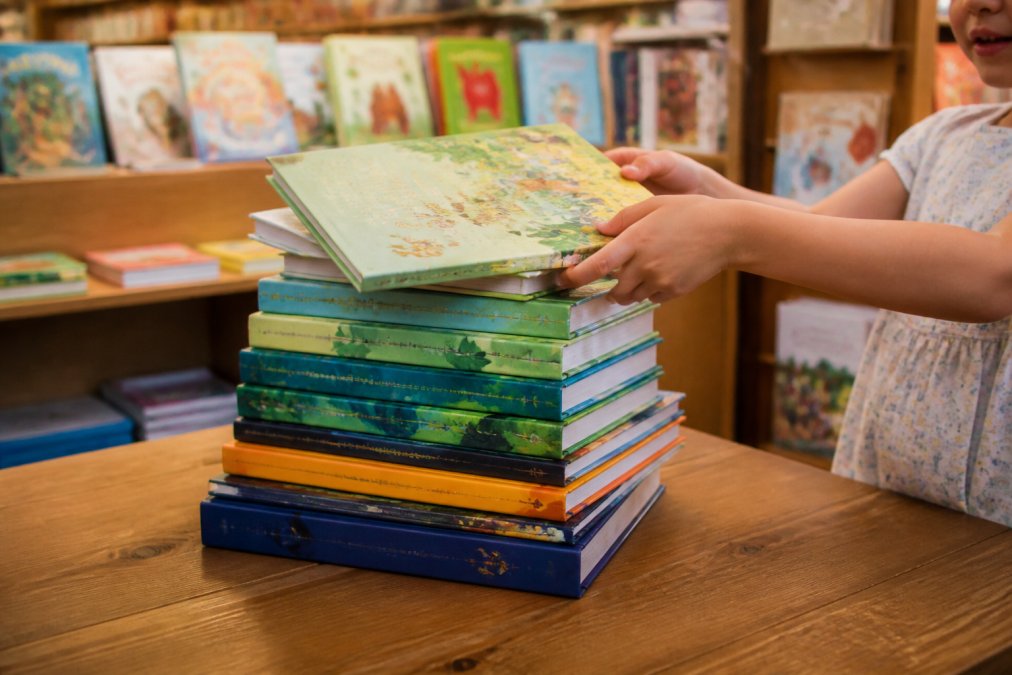
1. The Wishing Well: A Lyrical Picture Book for Imagination
The Wishing Well, by Gideon Sterer with illustrations from Emily Hughes, leads our top rated children books 2026 list because it solves a problem most lyrical picture books fail at: sustaining engagement through language alone. Sterer's text uses a repeating structural motif, each character who approaches the well speaks in a slightly different cadence, which gives young listeners a predictable anchor while the story itself moves forward. This is not a book where the words wash over a child; it is a book where the words invite participation.
Why the illustrations matter more than usual
Emily Hughes's art carries the emotional subtext. In the opening spread, the well is drawn small and the child protagonist larger, a cue that the child holds power. By the final spread, the well fills the page and the child is small beside it, telling the story's arc without a word. For a child who cannot yet decode text, the pictures are the story.
How to read it aloud for maximum effect
Lyrical books fail in storytime when the reader rushes the pacing. The Wishing Well rewards a slow, meditative read: pause after each wish and let the child guess whether the well will grant it. The page turns are designed for suspense, keeping a wiggly four-year-old leaning forward.
Where it falls short
The vocabulary is advanced for a typical 3-4-year-old, with words like "hollow" and "distant" appearing early. This is a read-aloud title, best shared with an adult who can define unfamiliar words; for solo decoding, Puffins! is the better choice. But for rich language exposure and artistic quality, The Wishing Well is the standout picture book of 2026.
Who this book is for
- Children ages 4-7 who enjoy imaginative narratives and have the attention span for a 10-12 minute read-aloud
- Parents who prioritize illustration quality and want a book that reveals new details on each reading
- Gift-givers looking for a hardcover that feels substantial and collectible
Who should skip it
- Toddlers under 3 who need shorter, more rhythmic text (see Is It Spring? on this list)
- Early readers looking for a book they can decode independently
- Families seeking a plot-driven adventure with clear action sequences
2. Puffins!: A Fact-Filled Adventure for Curious Minds
For the child who asks "why" about everything, Puffins! by Maria Gianferrari with art from Maris Wicks delivers an educational children's book that does not sacrifice story for facts, a strong pick for early readers who prefer nonfiction.
The detailed illustrative style supports comprehension by showing what the text describes, helping emerging readers build confidence. The hardcover binding holds up to the repeated handling favorite nonfiction books receive.
3. Is It Spring?: A Seasonal Read-Aloud for Toddlers
Kevin Henkes brings his signature illustrative style to Is It Spring?, a seasonal picture book capturing the anticipation of the season changing through simple, rhythmic text. For toddlers and preschoolers, this is one of the most effective children's books 2026 for building phonological awareness, as the repetitive structure lets young listeners predict and join in.
The relatable content makes it a natural fit for spring storytime, and the short length is a feature for the wiggly set. This book respects a young child's attention span while delivering a complete emotional arc.
4. Rumpelstiltskin: A Classic Retelling for Early Readers
The Scholastic Edition of Rumpelstiltskin appears on top-rated lists for Pre-K readers because it adapts a familiar fairy tale into an age-appropriate format, pairing a story children recognize with text they can begin to decode.
This is a solid choice for classroom or home use, with a durable binding built for group storytime. The familiar structure gives children a comprehension advantage, letting them focus cognitive energy on the language itself.
5. All the Blues in the Sky: A Poetic Award Winner
All the Blues in the Sky is the 2026 award-winning title library staff consistently recommend for its poetic language and artistic merit. It works across diverse age ranges, making it a smart choice for families who want their children's books 2026 collection to include genuinely acclaimed literature.
The prose rewards older readers and adults reading aloud, while younger children respond to the emotional resonance. The one drawback is availability: this title may be harder to find in general retail stores.
6. The Teacher of Nomad Land: A Story of Community and Learning
The Teacher of Nomad Land rounds out this list as a 2026 notable children's book tackling themes of community and education within a unique cultural setting. Its strong character development makes it an excellent choice for classroom discussions.
The complex themes may require adult guidance for younger children, making it better suited for independent middle-grade reading or guided classroom discussion. It earns its place through thought-provoking content rather than pure entertainment value.
How to Choose Books for Children by Age and Stage
Most roundups stop at "age range" labels, but those rarely reflect how a child processes a story. A more useful framework matches a book to a child's cognitive and emotional development stage, not just their birthday.
Ages 0-2: Sensory and Rhythmic Processing
At this stage, children build phonological awareness, the ability to hear and manipulate sounds (peer-reviewed research). Look for strong rhythm, repetition, and onomatopoeia; board books with tactile elements support sensory integration. Parents often overestimate attention span here, a 12-month-old may engage for only 2-3 minutes, so short, rhythmic reads like Is It Spring? are ideal.
Ages 3-5: Narrative Prediction and Emotional Labeling
Preschoolers begin to predict what happens next and can name emotions in characters. This is the prime window for books like Rumpelstiltskin, where the familiar structure lets a child focus on decoding language rather than tracking an unfamiliar plot. Look for illustrations that carry emotional cues so a child can practice "reading" feelings before words. A practical test: ask your child what a character is feeling on a text-free page.
Ages 6-8: Decoding Stamina and Fact vs. Fiction (readingrockets.org)
Early readers transition from "learning to read" to "reading to learn." Nonfiction picks like Puffins! reward curiosity with concrete facts, motivating a child to push through harder words. Look for short chapters or clear section breaks so a child experiences the satisfaction of finishing independently. Avoid jumping straight to chapter books without illustrations, visual support remains critical until around age 8.
Ages 9-12: Perspective-Taking and Moral Complexity
Middle-grade readers can hold multiple plot threads and understand conflicting motivations. This is when books like The Teacher of Nomad Land become valuable, they introduce cultural settings and ethical questions requiring a child to step outside their own experience. Look for protagonists who make morally ambiguous choices, and be ready to discuss them.
A practical evaluation tool: the "Three Reads" test
Instead of the generic "three E's," read the book once for plot, once for language, and once for art. Does the story hold together? Are there words that stretch vocabulary without frustrating? Do illustrations add information the text doesn't repeat? A book passing all three reads will earn repeated bedtime requests; one failing the third may suit independent reading better.
This developmental lens separates a curated list from a sales ranking. A book that delights a four-year-old will frustrate a seven-year-old, not because the younger child is "behind," but because their cognitive needs differ. Matching the book to the stage, not the age label, is the highest-leverage decision a parent can make.
Our Final Take on the 2026 Selection
The strongest thread running through this year's top rated children books 2026 is the return to quality illustration and thoughtful pacing over gimmicks. Whether you choose The Wishing Well or Puffins!, each title earns its place through genuine craft and age-appropriate design.
Finding the right book is about more than matching a reading level, it is about finding the story that sparks a question, a laugh, or a request to read it again tomorrow night. At Curious Turtle: Books, Toys and Games in downtown Jefferson City, the curated selection is built around that moment of connection, helping families discover award winning children's books 2026 alongside timeless favorites. Visit the shop, ask for a personalized recommendation, or explore the latest arrivals online.
Frequently Asked Questions
What are the top 10 best-selling children's books of 2026?
While bestseller lists fluctuate weekly, the most anticipated and top rated children's books 2026 includes titles like 'The Wishing Well' and 'All the Blues in the Sky.' For the most current bestseller data, visit our store or check major publishing reports. The curated list focuses on quality, blending selections with award-winning literature to guide you toward books that offer both literary merit and high engagement for your child.
How do I find award-winning children's books released in 2026?
To find award-winning children's books 2026, watch for announcements from major literary awards like the Newbery and Caldecott Medals, which are typically announced in January. Bookstores like Curious Turtle also curate shelves dedicated to recognized titles. The store tracks these awards closely and can point you to this year's most celebrated picture books and early readers, ensuring you're getting critically acclaimed literature for your family.
What are the best children's books for early readers in 2026?
For early readers in 2026, look for books with rhythmic text, engaging illustrations, and age-appropriate themes. Titles like 'Puffins!' by Maria Gianferrari are excellent for children interested in nature, while a classic retelling like 'Rumpelstiltskin' supports literacy development with a familiar story structure. These books are designed to build confidence and comprehension, making them perfect for storytime and independent reading practice.
Are there specific themes dominating children's publishing in 2026?
Yes, 2026 is seeing a strong emphasis on emotional intelligence, with books like 'Chicka Chicka I'm a Big Brother' helping children navigate sibling relationships. There's also a beautiful trend toward lyrical, artistic picture books such as 'All the Blues in the Sky,' and a continued focus on nature and science in educational titles like 'Puffins!'. These themes reflect a desire for books that foster empathy and curiosity.